Chimney Repair Where the Fox and White Rivers Meet
Chimney Repair in Burlington, WI
Describe your chimney problem and ask about service in Burlington. There’s no charge and nothing to commit to.
Chimney Repair Where the Fox and White Rivers Meet
Describe your chimney problem and ask about service in Burlington. There’s no charge and nothing to commit to.
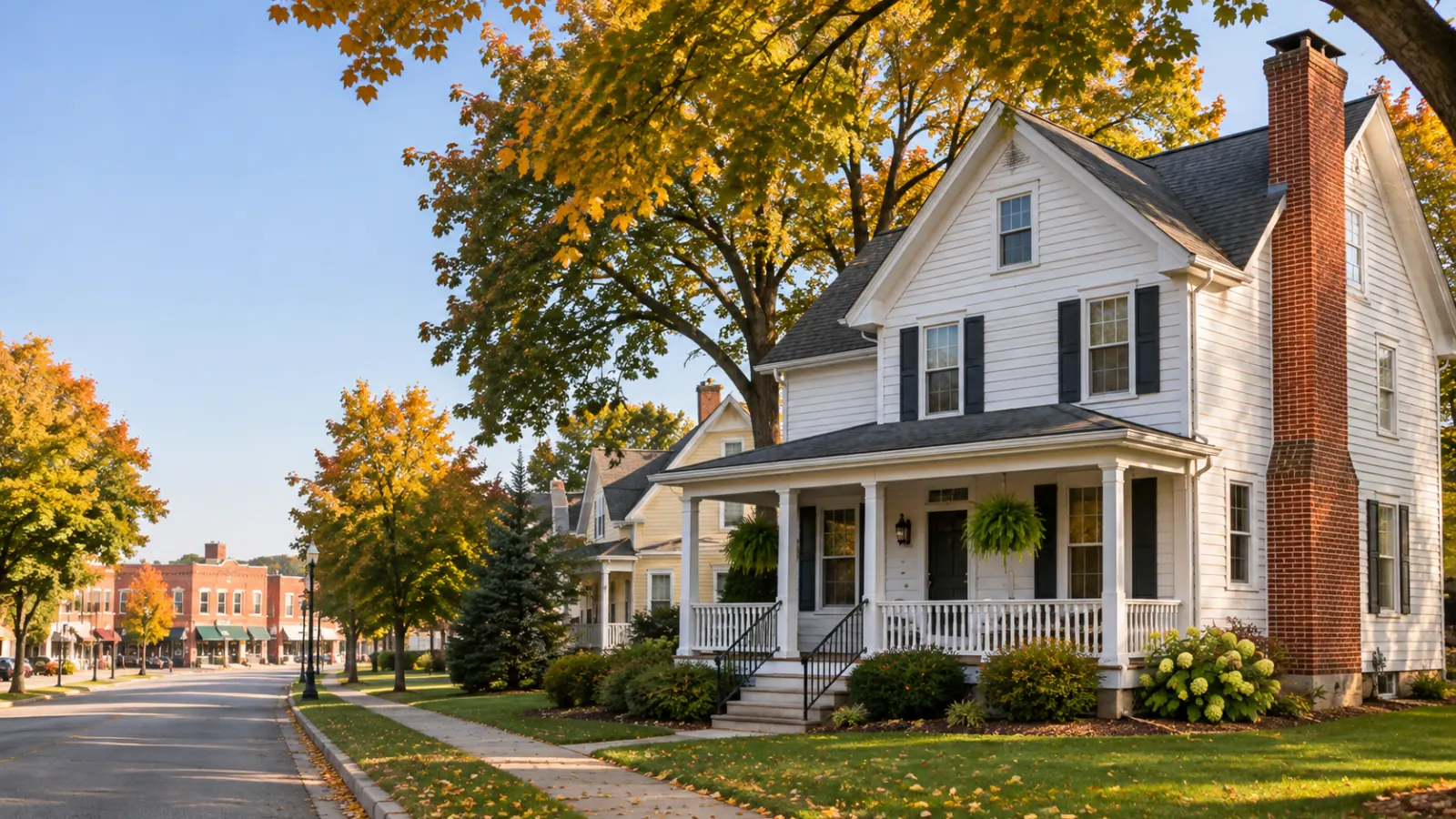
Burlington has one of the widest ranges of housing in western Racine County. Close to downtown, many houses date from the late 1800s and early 1900s, with tall brick chimneys that were built for wood or coal and now vent gas furnaces and water heaters. Farther out, mid-century ranches and newer subdivision homes have shorter chimneys, fireplace chases or factory-built flues. What they share is Southeast Wisconsin weather: wet springs, summer storms and long winters where water in the masonry freezes and thaws over and over. That cycle is what cracks crowns, pops the faces off bricks and erodes mortar joints near the top of the chimney.
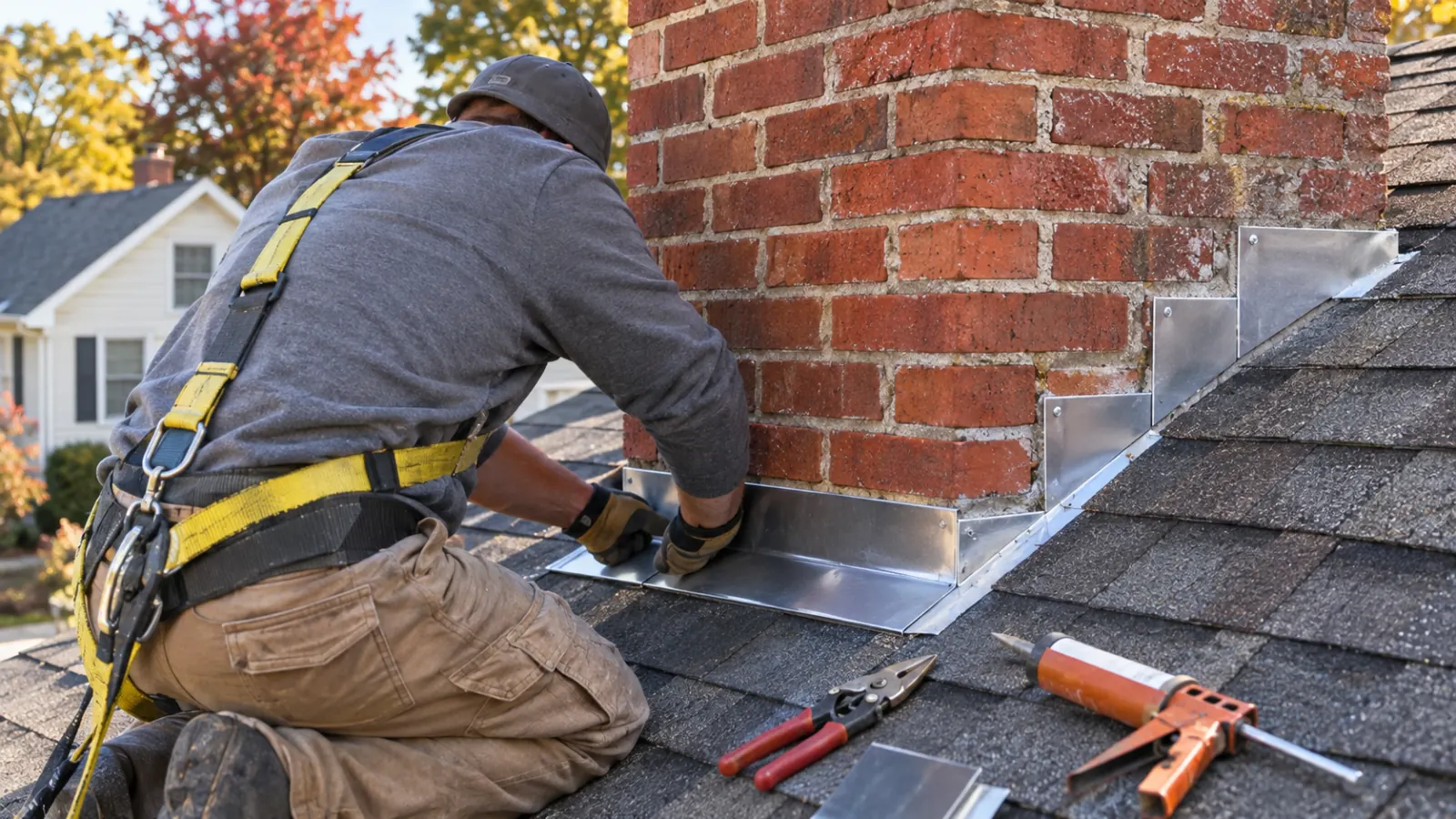
Most chimney work in Burlington starts with a repair: resealing flashing, fixing a cracked crown, tuckpointing the courses above the roofline or replacing a rusted cap. Burlington was settled in 1835 where the White River meets the Fox River, was first called Foxville, became Burlington in 1839, incorporated as a village in 1886 and became a city in 1900. Today the “Chocolate City” is home to about 11,000 people. A city with that much history has chimneys of every age, so the right repair depends on how a particular chimney was built and what has been done to it since.
The heart of the city is the Burlington Downtown Historic District, listed on the National Register of Historic Places in 2000, with roughly 80 contributing buildings in the blocks around Pine, Chestnut, Jefferson, Washington and Dodge Streets. The residential streets around downtown, including blocks along State Street and Perkins Boulevard documented by the Burlington Historical Society, hold many older two-story homes. Chimneys there are often original brick with soft, lime-based mortar and clay or no flue liners, and many have been patched more than once over the past century.
Beyond the older core, Burlington grew outward with mid-century ranches and later subdivisions, many with brick or stone-veneer fireplace chimneys and some with framed chases and metal chase covers. The 53105 zip code also reaches lake properties around Browns Lake and rural acreage in the surrounding Town of Burlington, where farmhouses and lake homes may have chimneys that have gone years without a close look.
From downtown to Browns Lake, Burlington chimneys in the 53105 zip code face the same core challenges: freeze-thaw damage at the top, flashing stressed by snow and ice, and older flues serving newer appliances.
Century-old chimneys near downtown often have soft lime mortar that has washed out of the upper joints. Tuckpointing with a mortar compatible with the old brick restores them without making the bricks crack or spall.
Exposed on all sides, the top few feet of a chimney freeze and thaw the most. Brick faces pop off, exposing softer cores. Small areas can be replaced; widespread spalling often leads to rebuilding the section above the roof.
Many older chimneys have a thin mortar wash instead of a proper crown, and it cracks within a few winters. Crown repair or replacement with an overhang is one of the most effective ways to stop ongoing damage.
Snow piles up behind wide chimneys on steep roofs, melts and refreezes, then pushes water under worn flashing. Leaks that appear in late winter or early spring are often flashing or a missing cricket.
Older chimneys may have no liner or cracked clay tiles. When a newer gas furnace or water heater vents into an oversized flue, condensation can damage the masonry from inside, so a properly sized liner is often recommended.
Homes with framed fireplace chases use a metal chase cover on top. Galvanized covers can rust, sag and hold water, which leaks into the chase and down the wall. Replacing it with a sloped stainless cover is a common fix.
A 1910 chimney and a 2000s fireplace chase are built differently. Recommendations should reflect the actual brick, mortar, flue and crown on your home.
Stains indoors can come from the crown, the cap, porous brick, flashing or condensation. The fix depends on which one it is.
Masonry needs above-freezing temperatures to cure, so most crown and tuckpointing work happens from late spring to early fall. Schedule before the heating season.
Ask which faces and courses are covered, the materials used and how hidden damage would be priced. Confirm service for your Burlington address before arranging work.
Many problems on Burlington chimneys are repairable: a cracked crown, a few loose courses, eroded joints above the roofline or failed flashing. When the brick itself is sound, repair keeps the original masonry and character of an older house, which matters on streets near the historic downtown.
A chimney rebuild deserves a closer look when bricks are loose, the chimney leans, large areas have spalled, or previous repairs keep failing. A rebuild is also a natural time to add a proper crown, cap, flashing and, if needed, a new liner.
Learn more about each type of chimney repair work:
It depends on the scope and where you live. Homes inside the City of Burlington fall under the city’s Building Inspection Department, while properties in the surrounding Town of Burlington have a separate building inspector. Structural work like a rebuild is more likely to need a permit than sealing or a new cap. Confirm with the right office before major work begins.
The Burlington Downtown Historic District is a National Register listing that is mostly commercial buildings. National Register listing by itself generally does not restrict what private owners do with their own money, but matching original brick and mortar is still wise on older homes. If you are unsure whether local rules apply, ask the city before work starts.
NFPA guidance, as summarized by the Chimney Safety Institute of America, recommends inspecting chimneys at least once a year. For older brick chimneys serving a furnace or fireplace, a yearly look at the crown, mortar and flue catches small problems before another winter makes them worse.
Chimneys anywhere in the area face the same freeze-thaw winters. Homes near water or surrounded by trees can stay damp longer and collect leaves and moss on the crown, which keeps the masonry wet. Keeping a cap on the chimney and the crown clear helps.
Have a leaking, crumbling or cracked chimney in Burlington? Call or request an estimate with your address and a short description of the problem.
Free — no obligations